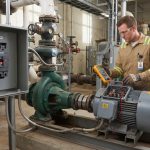
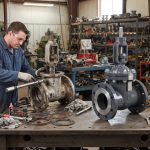
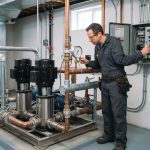
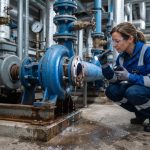
In a city like New York, where buildings rise high and thousands of people occupy commercial and residential spaces every day, fire protection systems cannot afford to fail. Hidden behind walls and mechanical rooms, fire pumps play a critical role in keeping sprinkler systems ready to respond during an emergency.
When a fire occurs, these pumps ensure water moves through the system with enough pressure to control or extinguish flames quickly. Because these systems are so important, strict regulations govern how they must be tested and maintained. Property owners and building managers must follow NFPA 25 requirements to ensure their equipment operates properly when needed.
This includes regular inspections, performance checks, and the mandatory annual fire pump test. For buildings across New York, understanding the rules around fire pump testing NYC is essential for both safety and compliance.
Proper fire pump inspection and testing help identify issues early, prevent costly failures, and ensure the building’s fire protection system performs when lives depend on it.
Why Fire Pump Testing NYC Is Essential for Building Safety and Compliance
Fire pumps serve as the heart of many fire protection systems. When municipal water pressure is not strong enough to supply sprinklers throughout an entire building, a pump boosts water pressure so the system can function effectively.
In high rise buildings, hospitals, commercial complexes, and industrial facilities, the reliability of these pumps is critical. This is why fire pump testing NYC follows strict guidelines outlined under NFPA 25 requirements.
These standards require routine fire pump inspection and testing to confirm that the system operates at full capacity. Testing helps ensure the pump can deliver the correct flow and pressure needed during a fire emergency.
If a pump fails during a real incident, the consequences can be severe. Property damage increases rapidly and lives may be placed at risk. Regular testing identifies issues such as worn components, pressure loss, or mechanical problems before they compromise the system.
This is also where a fire pump failure inspection becomes important. If any irregularities appear during testing, technicians conduct detailed inspections to determine the root cause and restore system reliability.
Understanding NFPA 25 Requirements for Fire Pump Inspection and Testing
The NFPA 25 requirements establish national standards for inspection, testing, and maintenance of water based fire protection systems. These rules ensure that fire pumps remain operational throughout their lifespan. Under these guidelines, buildings must perform routine fire pump inspection procedures that evaluate mechanical components, electrical systems, pressure levels, and overall pump operation.
The most important requirement is the annual fire pump test, which measures the pump’s ability to deliver water at different flow levels. During this test, technicians simulate real fire conditions by running the pump and recording its performance.
Pressure gauges, flow meters, and discharge readings are carefully analyzed to confirm the pump meets its design specifications. If performance falls below acceptable levels, a fire pump failure inspection is conducted to determine the cause.
For building managers responsible for fire pump testing NYC, these evaluations are not simply a formality. They are essential for maintaining compliance with local fire safety regulations.
What happens during an annual fire pump test in NYC buildings?
The annual fire pump test is one of the most important procedures required under NFPA 25 requirements. During this test, technicians evaluate whether the pump can deliver the correct water flow under varying conditions.
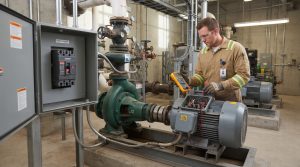
The process begins with a full fire pump inspection to check valves, piping connections, gauges, and control panels. Technicians verify that electrical and mechanical components are functioning properly before starting the test.
Next, the pump is activated and run at different capacity levels. These tests measure how well the pump performs at no flow, partial flow, and full flow conditions. The collected data is compared with the pump’s original performance curve to confirm the system still meets design specifications.
If performance drops below expected levels, technicians may perform a fire pump failure inspection to identify potential mechanical issues. For large facilities operating duplex fire pump systems, both pumps must be evaluated to ensure redundancy and reliability.
Testing confirms that each unit can operate independently when needed.
The Role of Split Case Fire Pump Maintenance in Long Term System Reliability
Many large commercial buildings rely on split case pumps because of their durability and ability to handle high water flow rates. These pumps are commonly used in major fire protection systems throughout New York.
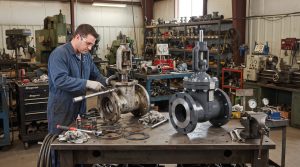
However, even the most reliable equipment requires routine care. Regular split case fire pump maintenance helps ensure that internal components remain in optimal condition. During maintenance visits, technicians inspect bearings, seals, shafts, and pump casings to confirm everything operates smoothly.
Proper lubrication and alignment are essential for preventing premature wear. In buildings that conduct regular fire pump testing NYC, maintenance teams often schedule split case fire pump maintenance shortly after testing to address any minor issues discovered during inspections.
This proactive approach keeps the system running efficiently while preventing unexpected failures that could disrupt the building’s fire protection capabilities.
Why Duplex Fire Pump Systems Are Often Used in Large NYC Buildings
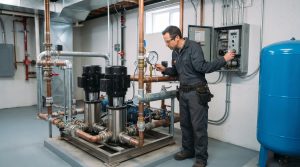
Large buildings often rely on duplex fire pump systems to ensure reliability. These systems include two pumps instead of one, providing backup protection in case one unit fails.
During fire pump testing NYC, technicians evaluate both pumps individually to ensure they meet performance standards. The redundancy built into duplex fire pump systems allows buildings to maintain fire protection coverage even during maintenance or repairs.
This design is particularly common in hospitals, high rise office towers, and industrial facilities where fire safety cannot be compromised. Routine fire pump inspection procedures confirm that both pumps can operate independently and maintain the pressure required to support the sprinkler system.
When combined with proper testing and split case fire pump maintenance, these systems offer dependable protection for large and complex buildings.
Why Professional Fire Pump Service Is Critical for Maintaining Compliance
Fire pump systems involve complex mechanical and electrical components that require specialized expertise. This is why experienced technicians are essential for proper fire pump service.
Professional service providers handle everything from routine fire pump inspection to advanced testing procedures required under NFPA 25 requirements.
Technicians performing fire pump testing NYC carefully document test results, verify compliance, and identify any performance issues that require attention. If testing reveals abnormal pressure levels or mechanical irregularities, technicians may conduct a fire pump failure inspection to pinpoint the issue.
Timely fire pump service ensures problems are resolved quickly while keeping the building compliant with local fire codes and national safety standards. For property managers responsible for large buildings, partnering with experienced specialists provides peace of mind that fire protection systems remain fully operational.
Ensuring Fire Pump Reliability Through Proper Testing and Maintenance
Fire protection systems are designed to safeguard lives, property, and critical infrastructure. At the center of many of these systems is the fire pump, a powerful piece of equipment that ensures water reaches every sprinkler when it is needed most.
For building owners and facility managers, staying compliant with NFPA 25 requirements is not just about meeting regulations. It is about ensuring that the entire fire protection system functions exactly as intended during an emergency.
Routine fire pump testing NYC, including the mandatory annual fire pump test, helps identify performance issues before they become serious risks. Regular fire pump inspection, proper split case fire pump maintenance, and thorough evaluations of duplex fire pump systems all contribute to long term system reliability.
When problems arise, professional fire pump service and detailed fire pump failure inspection help restore the system quickly and safely. In a city as dynamic and densely populated as New York, dependable fire protection is essential. Through consistent testing, maintenance, and expert oversight, fire pump systems continue protecting buildings and the people inside them every day.