Fire protection systems are built on trust. When an emergency happens, building owners, tenants, and emergency responders all rely on one thing working perfectly. The fire pump. Hidden inside mechanical rooms, this system quietly stands ready to deliver powerful water pressure to sprinkler systems during a fire.
Among the most reliable systems used in large commercial buildings is the split case fire pump. These pumps are designed to move large volumes of water quickly, making them essential for high rise buildings, hospitals, warehouses, and commercial facilities across New York.
But like any mechanical equipment, reliability depends on proper care. Without routine fire pump maintenance, even the strongest system can develop issues over time. This is why every building should follow a clear fire pump service schedule supported by regular fire pump inspection and professional servicing.
In this guide, we will explore the recommended maintenance timeline, what technicians look for during inspections, and how consistent care helps prevent costly fire pump failure while keeping your building safe.
Why Split Case Fire Pump Maintenance Is Critical for Fire Protection System Reliability
A split case fire pump is engineered for durability and high performance, but even the best equipment requires attention. These pumps operate in demanding environments and must be ready to perform at a moment’s notice.
Regular fire pump maintenance ensures the pump can deliver the pressure required by the sprinkler system during an emergency. When maintenance is ignored, small issues such as worn seals, bearing wear, or misalignment can gradually turn into major problems.
Routine fire pump inspection allows technicians to detect these warning signs early. Addressing them quickly reduces the risk of unexpected shutdowns and prevents a sudden fire pump failure that could compromise building safety.
Building managers in large cities often rely on professional technicians who specialize in fire pump testing NYC services. These specialists ensure the system meets performance standards and operates according to local safety regulations.
Maintaining a strong focus on regular inspections keeps the pump ready to perform when it matters most.
Understanding The Ideal Fire Pump Service Schedule for Split Case Fire Pump Systems
Following a consistent fire pump service schedule is one of the most effective ways to protect a fire protection system. A structured pump maintenance schedule ensures each component receives attention at the correct time.
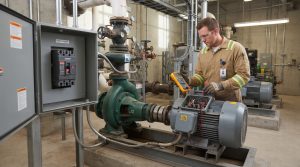
Weekly inspections are typically recommended for many fire pumps. During these checks, technicians verify that pressure gauges, valves, and control panels are functioning correctly. They also observe pump operation to ensure the system starts and runs smoothly.
Monthly checks focus on electrical systems, pump drivers, and general equipment condition. These inspections help ensure the split case fire pump remains in peak operating condition.
Quarterly testing often involves performance checks that measure pressure and water flow. These evaluations confirm the pump still meets the building’s design specifications.
Finally, annual inspections involve more detailed evaluations of mechanical components and full performance testing. This comprehensive approach keeps the fire pump maintenance program on track and prevents unexpected breakdowns.
What Technicians Examine During a Professional Fire Pump Inspection
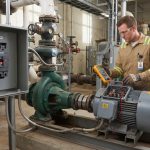
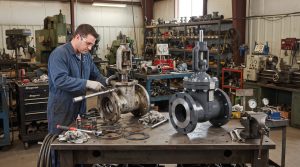
A thorough fire pump inspection goes far beyond a quick visual check. Experienced technicians carefully evaluate several critical components to ensure reliable operation. One important focus is the pump casing and internal components of the split case fire pump. Technicians check for corrosion, leaks, or mechanical wear that may affect performance.
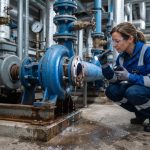
Bearings and shafts are also inspected to ensure proper alignment and smooth rotation. Even slight misalignment can reduce efficiency and eventually lead to serious mechanical damage. Electrical systems are another important area. Inspectors verify that control panels, wiring, and automatic start mechanisms operate correctly.
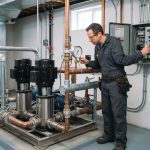
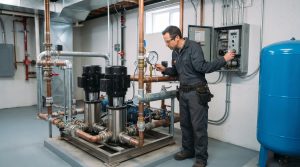
Pressure gauges, valves, and suction lines are carefully examined to ensure water flows properly through the system. When these elements are functioning correctly, the pump can deliver consistent pressure during emergencies.
Routine fire pump inspection also helps technicians identify early signs of potential fire pump failure so repairs can be scheduled before the problem worsens.
Preventing Fire Pump Failure Through Proactive Split Case Fire Pump Service
One of the biggest advantages of routine fire pump maintenance is preventing unexpected equipment failure. Mechanical systems rarely fail without warning. They typically show subtle signs that trained technicians can detect early.
Regular split case fire pump service allows experts to monitor these warning signs and correct issues before they develop into major failures. For example, minor vibration may indicate alignment problems or worn bearings. Slight pressure drops could signal internal wear within the pump. Addressing these concerns early protects the entire fire protection system.
Buildings that follow a detailed pump maintenance schedule significantly reduce the risk of sudden fire pump failure. Preventive care also helps extend the life of the equipment, saving building owners from expensive replacements. In many cases, proactive servicing keeps systems operating smoothly for decades.
How Fire Pump Testing NYC Supports a Strong Maintenance Program
In cities with dense populations and strict safety regulations, proper testing plays a major role in maintaining fire protection systems. Routine fire pump testing NYC services ensure pumps continue performing according to required safety standards.
Testing procedures simulate real operating conditions and measure the pump’s ability to deliver water at different pressure levels. This testing confirms the split case fire pump can support the sprinkler system during a fire emergency.
When testing reveals unusual performance readings, technicians investigate the issue further. This may involve adjustments, component replacements, or scheduling additional split case fire pump service.
Integrating fire pump testing NYC into the overall fire pump service schedule strengthens the entire maintenance strategy. It allows building managers to confirm the pump remains ready for operation at any moment.
Why Long-Term Maintenance Protects Both Equipment and Building Safety
A reliable split case fire pump is not just mechanical equipment. It is a critical life safety system that protects people and property. Consistent fire pump maintenance ensures every component continues working as designed. Without a structured fire pump service schedule, small issues can remain hidden until a serious problem appears. Routine fire pump inspection helps identify these concerns early. Technicians can correct minor mechanical issues, adjust system settings, and confirm that the pump operates at the proper pressure levels.
When a building follows a clear pump maintenance schedule, it dramatically reduces the risk of sudden fire pump failure during an emergency. For property managers, this proactive approach provides peace of mind knowing the system is prepared to protect occupants and assets when needed.
A Strong Split Case Fire Pump Maintenance Schedule Keeps Your Building Protected
Fire protection systems are only as reliable as the maintenance behind them. A split case fire pump is built to deliver powerful performance, but it must receive proper care to remain dependable.
Establishing a structured fire pump service schedule ensures that inspections, testing, and servicing happen at the right intervals. Regular fire pump maintenance helps technicians detect early signs of wear and correct issues before they develop into serious problems.
Through detailed fire pump inspection, professional servicing, and routine fire pump testing NYC, building owners can maintain full confidence in their fire protection systems.
Consistent split case fire pump service not only extends the lifespan of the equipment but also protects the people who depend on it every day. By following a clear pump maintenance schedule, building managers ensure their fire pump remains ready to perform whenever it is needed most.