A fire pump is one of the most critical pieces of equipment in any commercial or residential building. Its job is to ensure that water reaches every sprinkler and hose connection at the correct pressure during an emergency. But what happens when that pump fails during a routine inspection?
A fire pump failure inspection is more than just a procedural check. It’s a crucial moment that can reveal underlying issues, prevent disasters, and safeguard property and lives. When a failed fire pump test occurs, it sets off a chain of actions designed to identify the problem, mitigate risks, and restore full operation.
Property managers, building owners, and maintenance teams need to act quickly, following established fire pump testing requirements and safety protocols. This guide walks through what to expect after a fire pump fails inspection, including steps for evaluation, repair, and compliance.
Understanding the process ensures your building remains safe, operational, and in full fire pump compliance.
Why Fire Pump Failure Inspections Are Critical for Building Safety and Compliance
A fire pump failure inspection is not just a formality. Fire pumps are life safety systems that must operate flawlessly when a fire occurs. If a pump cannot deliver the required water pressure, the building’s sprinkler system may fail, putting occupants and property at risk.
Following fire pump testing requirements during inspections is essential. These standards, set by local codes and NFPA guidelines, ensure that pumps are mechanically sound, electrically reliable, and capable of meeting flow and pressure demands.
During an inspection, a failed fire pump test may reveal several issues, including worn bearings, clogged suction lines, or motor malfunctions. Identifying these issues early prevents emergencies, reduces repair costs, and helps maintain your building’s fire pump compliance.
For building managers, this is a chance to act before a real fire exposes the system’s weaknesses.
What A Fire Pump Failure Inspection Reveals After a Failed Fire Pump Test
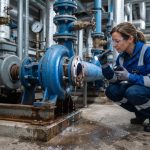
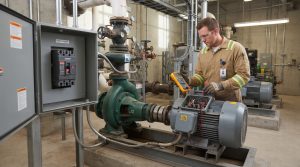
When a fire pump fails during testing, technicians perform a detailed fire pump failure inspection to identify the root cause. Some common issues include:
- Electrical faults in the motor or control panels
- Worn or damaged impellers in a split case fire pump
- Obstructions in suction or discharge piping
- Low water supply or issues with jockey pumps
- Mechanical wear and tear in bearings, seals, or shafts
A proper inspection involves checking these components carefully and comparing operational readings with the pump’s original performance specifications.
Understanding the reason behind a failed fire pump test allows maintenance teams to take appropriate corrective action, whether that involves a simple repair, a fire pump rebuild, or more extensive service.
Immediate Actions Taken After a Fire Pump Fails Inspection
Once a fire pump fails inspection, building managers and technicians must act quickly to ensure safety and compliance. The first step is conducting a comprehensive fire pump failure inspection to determine the specific cause of failure.
If the issue is severe, an emergency pump replacement may be necessary. This ensures that the building remains protected while repairs or maintenance are carried out. In some cases, temporary fire protection solutions such as backup pumps or water storage adjustments may also be implemented to maintain system readiness.
Every step follows established fire pump testing requirements to ensure that remedial measures meet safety standards and that the building remains in fire pump compliance throughout the repair process.
How Split Case Fire Pumps Are Inspected and Maintained During Failures
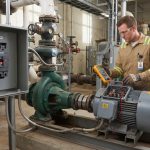
Many commercial buildings use split case fire pumps because of their durability and ability to handle high flow rates. These pumps require careful evaluation during a fire pump failure inspection. Technicians examine critical components, including the impellers, casing, bearings, and mechanical seals.
They check for signs of wear, corrosion, or misalignment that could cause performance issues. Proper maintenance, lubrication, and alignment are essential to restore full operation and prevent future failures. When a failed fire pump test occurs, inspecting a split case fire pump thoroughly ensures that the root cause is addressed and that the pump can meet its design specifications during the next test or emergency.
Repair And Rebuilding Options to Restore Fire Pump Performance
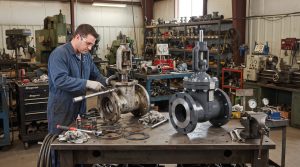
Once the cause of failure is identified, building owners have several options. Minor issues, such as valve problems or electrical adjustments, can often be repaired on site.
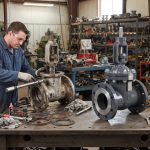
More extensive problems may require a fire pump rebuild, especially for mechanical failures in the pump housing or impeller. Rebuilding restores the pump to like-new condition, ensuring reliable operation for years.
In extreme cases where the pump cannot be repaired in time, an emergency pump replacement ensures the building remains protected and compliant with fire pump testing requirements. Professional technicians coordinate these replacements quickly to minimize downtime and maintain full fire pump compliance.
The Importance of Regular Testing and Preventive Maintenance to Avoid Failures
A failed fire pump test can be disruptive, expensive, and stressful. Preventive maintenance and routine testing are the best way to avoid surprises.
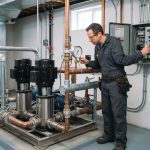
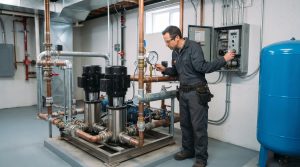
Routine inspections check mechanical components, electrical systems, and overall pump performance. Building managers should schedule regular checks and service visits, which may include split case fire pump maintenance, lubrication, and calibration of gauges and control systems.
Following the recommended fire pump testing requirements reduces the likelihood of a failed fire pump test, lowers emergency repair costs, and ensures ongoing fire pump compliance. These steps keep the system ready to perform when it matters most.
Taking Swift Action After a Fire Pump Failure Ensures Safety and Compliance
A fire pump failure during inspection is a serious event, but it is also an opportunity to address potential problems before a real emergency occurs. A thorough fire pump failure inspection identifies mechanical, electrical, or operational issues and guides corrective action.
Whether the solution involves a quick adjustment, a fire pump rebuilds, or an emergency pump replacement, acting swiftly ensures the building remains protected and compliant. Following fire pump testing requirements and scheduling routine maintenance reduces the risk of future failures and maintains reliable operation of the system.
By staying proactive, property managers can prevent surprises, uphold fire pump compliance, and guarantee that life safety systems function as intended. In NYC, where high-rise buildings and dense occupancy demand the highest safety standards, timely action after a fire pump failure protects both people and property.