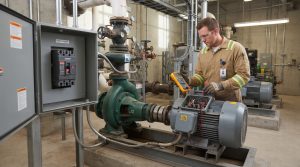
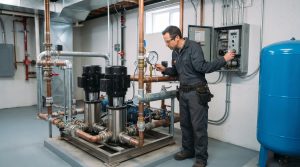
Water pressure and reliability are two things building owners simply cannot afford to compromise. Whether it is a high rise apartment, a commercial building, or an industrial facility, the entire operation depends on a dependable pumping system that keeps water moving exactly when it is needed. When demand increases and systems become more complex, a single pump solution often stops being enough.
This is where a triplex pump system enters the conversation. Designed with three pumps working together, this type of setup offers powerful performance, flexibility, and reliability for buildings that deal with higher water demands. Instead of relying on just one or two pumps, the system distributes workload intelligently while maintaining consistent pressure.
Facility managers and engineers often spend time comparing pump configurations before making a decision. Each setup offers different advantages depending on the building’s needs. Understanding how a triplex pump system works and when it becomes the right choice can help property owners avoid costly downtime and maintain smooth operations across the entire property.
Understanding How a Triplex Pump System Works in A Three Pump Configuration
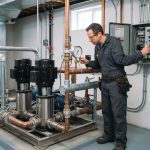
At its core, a triplex pump system is built around a three pump configuration designed to handle high water demand while providing dependable operational backup. Instead of relying on one or two pumps, three pumps share the responsibility of delivering consistent pressure throughout a building.
In most installations, the system operates using intelligent control sequences that activate pumps based on demand. During lower demand periods, one pump may handle the workload. As demand increases, the second pump automatically activates. When demand peaks, the third pump joins the system to maintain stable pressure.
- This staged operation distributes the workload evenly across all three pumps, reducing wear on individual components — and because no single pump carries the full burden, the system keeps running even when one unit requires maintenance.
- When engineers are comparing pump configurations across simplex, duplex, and triplex systems, larger buildings consistently benefit most from the pressure stability and built-in redundancy that only a triplex pump system can deliver.
- For high-occupancy buildings, hospitals, manufacturing facilities, and large residential complexes, the three pump configuration creates a safety net that protects the entire water distribution system from sudden demand changes or equipment failures.
Why High-Capacity Pumps Are Essential in Large Building Pump Systems
Large buildings experience constant changes in water demand throughout the day. Morning routines, laundry systems, cooling towers, and commercial kitchens all contribute to sudden spikes in water usage. Without properly designed high capacity pumps, these spikes can quickly create pressure drops that affect the entire building.
- A triplex pump system solves pressure-drop challenges by deploying high capacity pumps engineered for demanding workloads — each unit contributes to total output so water pressure stays stable even when multiple building systems run simultaneously.
- Scalability is a standout advantage of high capacity pumps in a triplex setup — instead of one oversized unit running at full power constantly, pumps activate only when needed, which cuts energy consumption and extends equipment life.
Building engineers who previously relied on duplex pump systems often consider triplex upgrades when buildings expand or demand increases. The additional pump creates a stronger safety margin and improves long term reliability.
The Real Difference Between Triplex Vs Duplex When Water Demand Increases
When property owners evaluate system upgrades, one of the most common questions they ask involves the difference between triplex vs duplex pump arrangements. Both systems offer multiple pumps and built in redundancy, but the level of performance they provide can vary significantly.
- A duplex system alternates two pumps and suits mid-sized buildings well, but high-demand facilities frequently push those two pumps to their limits during peak hours — leaving the system vulnerable when it matters most.
That is why many engineers start evaluating triplex vs duplex systems when buildings grow larger or when water demand becomes unpredictable. With three pumps working together, a triplex pump system offers stronger reliability and better pressure stability during peak demand periods.
- With a three pump configuration, the system responds in layers — one pump handles low demand, two take on medium demand, and all three activate at peak usage — delivering consistent pressure without stressing any single unit.
This layered response helps maintain consistent pressure and reduces stress on individual pumps. It also ensures that the system continues functioning even if one pump requires maintenance. Facilities that already rely on duplex pump systems often transition to triplex setups as their buildings expand or operational requirements increase.
How Pump Alternation Control Keeps a Triplex Pump System Running Smoothly
A major reason why a triplex pump system performs so efficiently comes down to pump alternation control. This intelligent control system rotates pump operation so that each pump shares the workload evenly over time. Without pump alternation control, one pump might run more frequently than the others.
- Without rotation, one pump carries a disproportionate load, leading to uneven wear and shorter equipment lifespan. With modern pump alternation control, the system automatically rotates the lead unit on every cycle, ensuring balanced operation and extending the lifespan of every pump in the system.
- The control system also responds dynamically — activating additional pumps as usage rises and shutting them off gradually when demand drops — while integrated monitoring alerts technicians the moment performance starts to deviate.
This proactive approach allows maintenance teams to identify issues early before they disrupt operations.
When Buildings Should Consider Triplex Water Booster Service for Maximum Reliability
As buildings grow and water demand increases, even well designed systems eventually need upgrades or maintenance. This is where professional triplex water booster service becomes essential. A specialized triplex water booster service ensures that every component of the triplex pump system operates at peak performance.
- Technicians inspect pumps, control panels, valves, and pressure systems — with particular focus on high capacity pumps that run hard under continuous pressure, catching wear and minor faults before they escalate into unexpected failures.
- Engineers actively comparing pump configurations rely on professional service assessments to determine whether a triplex upgrade will resolve performance gaps — or whether targeted adjustments to the existing system are sufficient.
For facilities already operating with duplex pump systems, a reliable triplex water booster service can also assist with system upgrades, installation planning, and long term maintenance strategies. In high demand buildings where water pressure is critical, expert service ensures that the entire pumping system continues operating efficiently year after year.
Choosing The Right Pump Configuration for Long Term Building Performance
Selecting the right pumping system is not just about equipment. It is about reliability, efficiency, and long term performance. A triplex pump system offers powerful advantages for buildings that experience heavy water demand or require a strong level of operational backup.
By using a three pump configuration, buildings gain flexibility and improved reliability while reducing the risk of system failure. The addition of high capacity pumps ensures that pressure remains stable even during peak usage periods.
When engineers begin comparing pump configurations, they often discover that the difference between triplex vs duplex systems becomes most noticeable during high demand situations. The extra pump provides a safety margin that keeps water flowing even when demand spikes or maintenance is required.
Combined with modern pump alternation control and professional triplex water booster service, these systems provide dependable performance for years to come. For property owners, facility managers, and engineers responsible for building operations, investing in the right pumping solution today can prevent major disruptions tomorrow.
A properly designed triplex pump system delivers the reliability and capacity that modern buildings need to keep everything running smoothly.