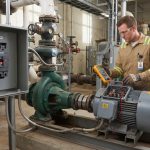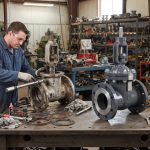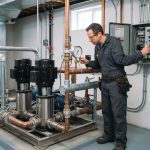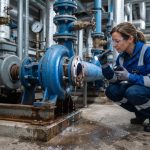
Choosing the right pump system is one of those decisions that quietly shapes how well a building runs behind the scenes. Water supply, pressure balance, drainage, and operational efficiency all depend on selecting the correct setup.
Many property managers, contractors, and facility owners run into the same question when planning or upgrading building pump systems. Should you go with a simplex, duplex, or triplex configuration?
Each option serves a different purpose. The difference is not just about how many pumps are installed. It affects reliability, maintenance planning, system capacity, and overall cost. The right choice can prevent downtime and protect equipment, while the wrong one may lead to frequent failures or inconsistent performance.
Understanding the strengths and limitations of every pump system configuration makes the decision far easier. Whether you are managing a commercial property, an industrial facility, or a multi-story building, knowing how these systems work will help you determine which Simplex duplex triplex pump setup fits your needs.
Let’s break down the differences so you can make a confident choice.
Understanding A Simplex Pump System in A Simplex Duplex Triplex Pump Setup and Why It Works for Smaller Applications
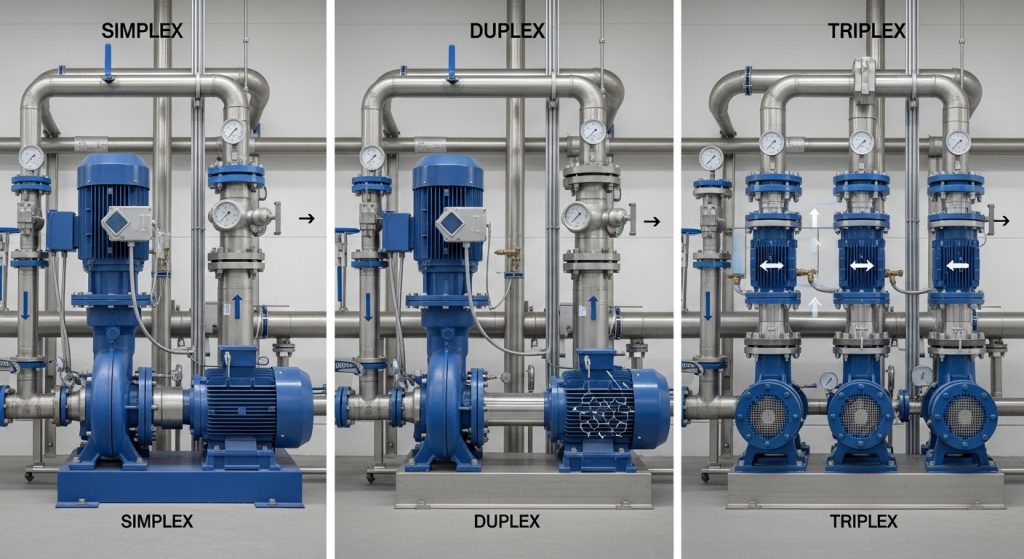
A simplex pump system is the most straightforward design used in many building pump systems. It consists of a single pump that performs all the work. When the system detects the need for water movement or pressure adjustment, that single pump activates and handles the entire task.
If you are wondering what is a simplex pump system? the answer is simple. It is a single pump setup designed for low demand environments where the workload is predictable and manageable. These systems are commonly installed in small commercial properties, residential buildings, and light industrial spaces.
They are often used for sump pumps, wastewater systems, and smaller water supply systems. One of the main advantages of simplex systems is simplicity. Installation costs are lower, maintenance is easier, and the design is straightforward. With fewer components involved, troubleshooting problems tends to be faster.
However, simplex systems have one key limitation. They lack pump redundancy. If the pump fails, the system stops completely until repairs are made. For buildings where continuous operation is critical, this can become a serious risk. Because of this limitation, simplex pumps are best suited for situations where occasional downtime will not cause major disruptions.
For small facilities or properties with limited demand, a Simplex duplex triplex pump evaluation often begins with this configuration as the most cost effective option.
The Real Difference in The Simplex Vs Duplex Comparison Within a Simplex Duplex Triplex Pump System That Building Owners Should Know
When evaluating pump setups, the simplex vs duplex comparison is often the first major decision point.
A duplex system uses two pumps instead of one. Both pumps are connected to the same system and typically operate using an alternating pattern. This means one pump runs while the other stays on standby, then the system switches roles during the next cycle.
This arrangement introduces a critical advantage known as pump redundancy.
If the primary pump experiences a failure or requires maintenance, the second pump automatically takes over. This backup capability ensures that operations continue without interruption. Another benefit of duplex systems is workload distribution. Instead of a single pump handling all operations, the system alternates between two pumps. This reduces wear and tear, helping extend the lifespan of each pump.
Duplex systems are commonly used in medium sized building pump systems, including commercial buildings, apartment complexes, hospitals, and manufacturing facilities. From a cost perspective, duplex setups require a higher upfront investment compared to simplex systems. However, many building managers consider the added reliability well worth the price.
Duplex Pump Systems Explained for Reliable and Continuous Building Operations
To fully understand their value, it helps to look deeper at how duplex pump systems explained operate in real world conditions. A duplex pump system works through a control panel that manages when each pump turns on and off. The system monitors water levels, pressure conditions, or system demand.
When the threshold is reached, one pump activates. During the next cycle, the second pump takes over. This alternating sequence distributes the workload evenly across both pumps. In situations where demand increases suddenly, both pumps can run simultaneously. This provides additional pumping capacity when needed, which is especially helpful in high demand building pump systems. This flexibility is one of the biggest advantages of duplex designs.
The system automatically adjusts to varying workloads while maintaining reliability. Another key benefit is maintenance flexibility. If one pump needs servicing, the other can continue operating. This minimizes disruptions and protects critical building infrastructure.
Because of these benefits, duplex systems are commonly used in wastewater pumping stations, commercial water supply systems, and pressure boosting applications. For many facilities evaluating pump system configurations, duplex setups represent the most practical solution that balances operational reliability with manageable costs.
This makes the simplex duplex triplex pump decision much easier when consistent performance is a top priority.
When Triplex Systems Become the Best Choice for High Demand Building Pump Systems
Triplex pump systems take reliability and performance to another level. Instead of one or two pumps, these systems use three pumps working together. In a triplex setup, pumps rotate during operation to distribute the workload evenly. This ensures that no single pump experiences excessive wear.
Triplex systems are often installed in large commercial buildings, high rise towers, hospitals, and industrial facilities where water demand is significant and continuous operation is essential. One of the biggest advantages of triplex systems is enhanced pump redundancy.
With three pumps available, the system can continue operating even if one pump fails or requires maintenance. In many cases, only two pumps run at a time while the third remains on standby. If demand increases or one pump stops working, the third pump immediately activates.
This design provides both operational security and extra capacity when needed. Triplex systems are also widely used in large scale water booster pump installation projects. These systems help maintain consistent water pressure across multiple floors in tall buildings where gravity alone cannot support proper distribution.
While triplex setups come with higher installation costs, they deliver exceptional reliability. For facilities where downtime could impact operations or safety, the added investment makes sense. When evaluating pump system configurations, triplex designs are often chosen for demanding environments where maximum reliability is required.
How to choose the right simplex duplex triplex pump configuration for your building?
Selecting the right pump configuration depends on several practical factors. Every building has different requirements, and understanding those needs will guide the decision. Start by evaluating system demand. Smaller properties with limited usage may function perfectly with a simplex system. In these cases, complex pump system configurations may not be necessary.
Next consider reliability requirements. If the building cannot tolerate downtime, pump redundancy becomes essential. Duplex or triplex systems provide the backup capability needed for critical operations. Capacity is another major factor. Buildings with higher water usage or pressure demands benefit from multiple pumps working together.
This ensures the system can handle peak demand without strain. Maintenance planning also matters. Larger systems allow technicians to service one pump while the others remain operational, which keeps building pump systems running smoothly.
Finally consider future growth. Many property owners choose duplex or triplex systems to accommodate future expansion without replacing the entire system later. When comparing options, the simplex duplex triplex pump approach should always match both current needs and long term expectations.
Choosing The Right Pump System for Long Term Building Performance
Pump systems rarely get attention until something goes wrong. Yet they play a critical role in keeping buildings functional, safe, and comfortable. Choosing the right configuration is not just about equipment selection. It is about ensuring long term reliability and efficiency.
A simplex system offers simplicity and cost effectiveness for smaller properties. Duplex systems introduce reliability through built in pump redundancy, making them ideal for many commercial environments. Triplex systems go even further by providing the highest level of operational security and capacity for large scale building pump systems.
Understanding the strengths of each option makes it easier to determine which setup aligns with your building’s needs. From small facilities to complex industrial operations, the right pump system configurations can prevent costly downtime and extend equipment life.
When evaluating the simplex duplex triplex pump choice, think about reliability, capacity, maintenance flexibility, and future growth. With the right system in place, your building’s pumping infrastructure will run smoothly for years to come.