Anyone who has lived or worked in a tall building in New York understands how frustrating weak water pressure can be. You turn on the shower expecting a strong stream, but instead you get a slow trickle. In commercial buildings the problem becomes even more serious.
Restaurants, hotels, offices, and residential towers rely on consistent water flow every single day. Without proper pressure, daily operations quickly turn into a headache. This is exactly where a water booster pump system becomes essential for NYC buildings. These systems are designed to maintain steady water pressure throughout a building, regardless of height or demand.
From residential high rises to commercial facilities, booster pumps ensure water reaches every floor with reliable force. In a city packed with multi story buildings, the role of a booster pump system is not just helpful. It is critical infrastructure. When installed and maintained properly, these systems protect plumbing performance, improve comfort, and keep operations running smoothly.
This guide explains how they work, why they matter, and what building owners in NYC should know before installing or servicing one.
Why Many NYC Buildings Struggle with Building Water Pressure Without a Proper Booster Pump System
New York City is filled with buildings that stretch high into the skyline. While the architecture is impressive, gravity creates a real challenge for plumbing systems. Water entering a building from the municipal supply does not always have enough force to travel up multiple floors.
As buildings get taller, the pressure naturally drops. This leads to weak showers, slow filling sinks, and inconsistent water supply in upper floors. That is where a booster pump system becomes the solution.
A water booster pump setup in NYC increases pressure so water can travel efficiently through pipes and reach every floor with consistent strength. The system pulls water from the main supply and pushes it through the building at a controlled pressure level.
For residential towers, this means tenants experience reliable showers and working appliances. For commercial properties such as hotels, hospitals, and restaurants, proper building water pressure is essential for sanitation, safety, and daily operations.
Many older buildings across NYC were not originally designed with modern water demand in mind. As usage increases and infrastructure ages, booster systems become even more important. Without them, the entire plumbing system struggles to keep up with daily demand.
Understanding How a Domestic Water Booster Works to Maintain Reliable Building Water Pressure
A domestic water booster is essentially a mechanical system that increases water pressure inside a building. It works by receiving water from the city supply line and using pumps to push that water through the building’s plumbing network.
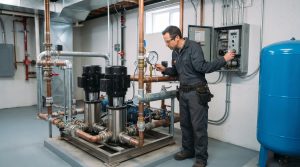
The system typically includes pumps, pressure sensors, controllers, and sometimes storage tanks. These components work together to monitor water demand and adjust pump activity accordingly. When residents or building occupants begin using water at the same time, pressure sensors detect the drop.
The booster system automatically increases pumping power to maintain stable building water pressure. Modern systems are designed to operate efficiently while adjusting to real time water demand. This prevents unnecessary strain on equipment while still delivering reliable performance.
When selecting a water booster pump setup in NYC’s buildings, engineers often rely on a booster pump sizing guide to determine the correct system capacity. Proper sizing ensures the pump delivers enough pressure without wasting energy or causing excessive wear. A well designed domestic water booster keeps pressure stable even during peak demand hours such as early mornings or evening routines when multiple residents use water simultaneously.
Choosing Between Simplex and Duplex Booster Pump System Designs for NYC Buildings
One important decision building owners face is selecting the right pump configuration. Not all systems operate the same way, and the design choice can affect efficiency, reliability, and maintenance requirements.
Two most common configurations are explained in the simplex vs duplex booster comparison.
A simplex system uses a single pump. It activates whenever pressure drops and shuts off when demand decreases. This setup is often used in smaller buildings or facilities with relatively low water demand.
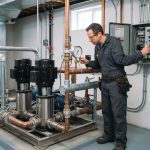
A duplex booster pump system uses two pumps instead of one. These pumps work together to handle changing water demand. In some cases, they alternate usage to balance wear and tear. In high demand situations both pumps can run simultaneously to maintain strong building water pressure.
For large residential buildings or commercial properties in NYC, duplex systems are often the preferred solution. They provide better reliability and offer backup protection in case one pump needs maintenance.
Choosing the right water booster pump configuration depends on NYC’s building height, occupancy, water demand, and plumbing design. Working with experienced technicians helps ensure the system is designed for long term reliability.
Common Booster Pump Problems Building Owners Should Watch for Before They Become Costly Repairs
Even the most reliable systems can develop issues over time. Pumps operate under constant pressure and heavy usage, especially in large buildings where water demand never stops. Many common booster pump problems start small but can quickly turn into major failures if ignored.
One frequent issue is pressure fluctuation. Occupants may notice inconsistent water flow or sudden drops in pressure. This can signal worn components or failing sensors inside the booster pump system. Another common problem involves unusual noise or vibration.
Pumps should run smoothly. Excessive sound may indicate misalignment, worn bearings, or air trapped in the system. Leaks and overheating are also warning signs that should not be ignored. These issues can damage internal components and reduce the lifespan of the domestic water booster.
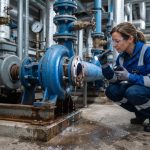
Routine inspections allow technicians to identify early signs of wear before they disrupt the entire plumbing system. Building managers who stay proactive often avoid expensive emergency repairs.
In NYC, keeping a reliable water booster pump system operating smoothly requires attention to performance changes and quick response to maintenance needs.
Why Professional Water Booster Pump Service Is Essential for Long Term System Reliability
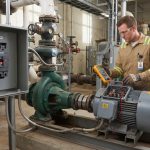
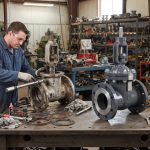
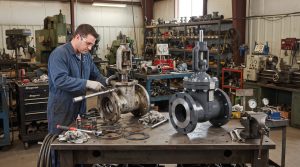
Installing a booster system is only the first step. Ongoing maintenance plays a critical role in ensuring the equipment continues working properly year after year. Professional water booster pump service helps identify issues early while protecting the system from premature failure.
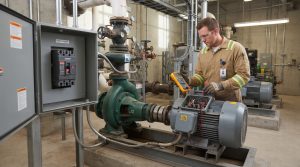
Regular service typically includes pump inspections, pressure testing, motor checks, and performance evaluations. Technicians also inspect control panels and sensors to make sure the booster pump system responds correctly to changing water demand.
For building owners across NYC, preventive maintenance protects more than just the pump. It protects the entire plumbing infrastructure. When building water pressure becomes unstable, it can place stress on pipes, valves, and fixtures throughout the building. A properly maintained domestic water booster keeps pressure consistent while extending the lifespan of the equipment.
Reliable service providers also help property managers plan upgrades or replacements before systems reach the end of their life cycle. This prevents sudden breakdowns that could disrupt tenants or business operations. For buildings in NY, NJ, and PA, having access to experienced technicians ensures that every water booster pump system continues operating efficiently and safely.
Why Water Booster Pumps Are Essential for Modern NYC Buildings
Water pressure might seem like a small detail until it suddenly disappears. In a city filled with high rise apartments, commercial towers, and busy facilities, reliable plumbing performance depends heavily on a well-designed booster system.
A properly installed NYC water booster pump system ensures water reaches every floor with consistent pressure. Residents enjoy comfortable showers, businesses maintain clean kitchens and restrooms, and building operations run without interruptions.
From understanding how a domestic water booster works to choosing the right booster pump system configuration, building owners have several factors to consider. Paying attention to system design, sizing, and routine maintenance can make the difference between dependable performance and costly plumbing problems.
With the right expertise and regular water booster pump service, these systems can operate reliably for many years. For property managers and building owners across NYC, NY, NJ, and PA, investing in a professionally maintained booster system is not just about water pressure. It is about keeping the entire building running smoothly every day.