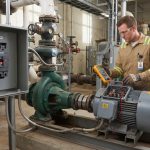
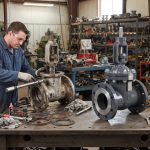
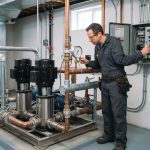
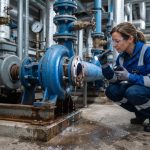
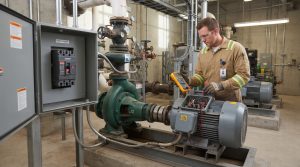
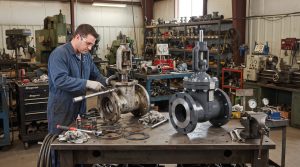
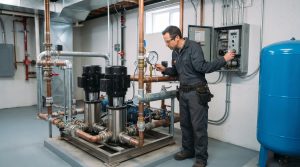
In many commercial and industrial facilities, pump systems run quietly in the background while performing one of the most important jobs in the building. Moving water where it needs to go. Whether the system handles wastewater, storm water, or drainage, reliability is everything.
When pumps fail, water levels rise quickly and problems escalate just as fast.
This is exactly why duplex pump systems are widely used across large buildings, hospitals, manufacturing plants, and municipal infrastructure. Instead of relying on a single pump, these systems use two pumps that share the workload. The secret behind making this arrangement work smoothly lies in something called alternation control duplex.
When properly configured, alternation control duplex ensures both pumps take turns operating, which balances wear and extends the life of the system. Without it, one pump might carry the entire load while the other sits unused until an emergency occurs.
Understanding how pump alternation works and why lead lag explained concepts matter can help facility managers maintain efficient and dependable duplex pump control.
Understanding How Alternation Control Duplex Keeps Pumps Balanced and Systems Reliable
The goal of alternation control duplex is simple but extremely important. It ensures that two pumps in a system take turns operating instead of relying on the same pump every time the water level rises.
Inside duplex pump systems, both pumps are capable of performing the same task. However, only one pump typically starts first when the water level reaches the activation point. The alternation control system determines which pump starts during each cycle.
For example, if Pump A handles the first cycle, Pump B will handle the next. This rotating schedule is known as pump alternation, and it prevents one pump from experiencing excessive wear while the other remains idle.
The switching process usually occurs through the pump control panel, which tracks pump activity and signals the alternator mechanism. Each time the system shuts down after a cycle, the alternation device resets and prepares the other pump to start next.
Without alternation control duplex, one pump might operate constantly while the second pump only activates during emergencies. Over time, this imbalance leads to uneven wear and increases the risk of unexpected breakdowns. Proper duplex pump control avoids that problem and keeps both pumps ready for reliable operation.
Breaking Down Lead Lag Explained So Facility Managers Understand Pump Coordination
To fully understand alternation control duplex, it helps to look at the concept often referred to as lead lag explained. This system describes how two pumps coordinate their roles during different water level conditions.
The lead pump is the first pump that activates when water levels rise. It handles normal system demand and typically completes most pumping cycles. The lag pump remains on standby and activates only if the water level continues to rise beyond the lead pump’s capacity.
This arrangement is called lead lag control, and it provides an extra layer of protection for buildings that cannot risk pump failure. If incoming water exceeds the capacity of a single pump, the lag pump immediately activates to assist.
Within modern duplex pump systems, the lead pump alternates regularly. One cycle might start with Pump A as the lead pump. During the next cycle Pump B becomes the lead pump while Pump A waits in reserve. This approach ensures balanced equipment usage and improves overall system longevity.
It also helps facility engineers detect performance problems early because both pumps operate regularly under normal conditions. The coordination between pumps happens through the pump control panel, where sensors and switches communicate water level changes.
When configured correctly, duplex pump control maintains smooth operation without requiring constant manual supervision.
Why Consistent Pump Alternation Matters for Long Term Pump System Performance
Many facility managers underestimate the importance of consistent pump alternation until one pump suddenly fails. When pumps do not alternate properly, the entire system becomes unbalanced. Imagine a scenario where Pump A handles nearly every pumping cycle for months or even years. Meanwhile Pump B remains inactive except during emergencies.
When a heavy rainstorm or plumbing surge occurs, Pump B may be forced to start under full demand despite long periods of inactivity. This situation often leads to unexpected breakdowns. Components that have not been exercised regularly may stick, overheat, or fail to start altogether.
That is why properly functioning alternation control duplex systems are so critical. Balanced operation ensures both pumps remain in good working condition. Each pump experiences similar run times, which spreads mechanical wear evenly across the system.
Consistent alternation also allows technicians to detect performance changes early. When both pumps operate regularly, differences in noise, vibration, or output become easier to identify during inspections. Inside the pump control panel, the alternation mechanism tracks which pump operated last and assigns the next cycle accordingly.
When this process works correctly, duplex pump control operates almost effortlessly while delivering reliable results. However, if the alternation mechanism stops working, professional alternation switch service may be required to restore proper operation.
How Professional Duplex Pump Control Maintenance Prevents Costly System Failures
Even the most advanced pump systems require routine inspection. Over time, switches wear out, sensors drift out of calibration, and electrical connections loosen. Without regular maintenance, alternation control duplex systems may stop rotating pumps correctly.
Technicians who specialize in duplex pump systems often begin maintenance by testing the alternator mechanism. They simulate multiple pump cycles to verify that each pump activates in the proper sequence. Inspection of the pump control panel is another critical step.
Electrical relays, control boards, and wiring connections must remain clean and secure for accurate communication between the floats, alternator, and pumps. Another common issue involves worn alternation switches. These components determine which pump activates next.
When they malfunction, the system may repeatedly start the same pump, defeating the purpose of pump alternation. Professional alternation switch service includes testing switch responsiveness, checking contact points, and replacing worn components when necessary.
Technicians also confirm that lead lag control activates properly during high demand conditions. Routine service helps ensure that both pumps remain ready to respond when needed. More importantly, preventive maintenance prevents sudden system failures that could result in flooding, downtime, or expensive emergency repairs.
Why Alternation Control Duplex Is Essential for Reliable Pump Performance
Pump systems may not receive much attention when they are working correctly, but their role in protecting buildings and infrastructure is critical. When wastewater or storm water needs to move quickly and efficiently, reliability becomes essential. That reliability often depends on the proper functioning of alternation control duplex.
By ensuring both pumps share the workload, the system maintains balanced wear and improves long term performance Understanding lead lag explained concepts helps facility managers recognize how pumps coordinate during normal operation and high demand situations.
Through proper pump alternation, both pumps remain active, responsive, and ready when water levels rise. Equally important is the role of the pump control panel, which acts as the central communication hub for the entire system. When all components function together correctly, duplex pump control operates smoothly and quietly in the background.
Routine inspections and professional alternation switch service ensure that the alternation process continues working as intended. With experienced pump specialists supporting duplex pump systems, facilities across New York, New Jersey, and Pennsylvania can rely on dependable pump performance that protects both property and operations.