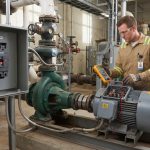
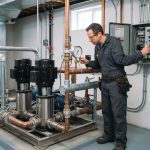
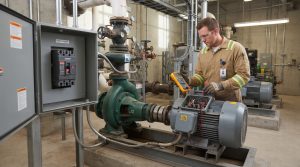
Behind every reliable pump system is a network of electrical safety components that keep equipment operating properly while protecting technicians and facilities. One of the most important of these components is the disconnect switch. In a busy city like New York, where commercial buildings, high rise properties, hospitals, and industrial facilities rely heavily on pump systems, proper electrical safety is not optional. It is required by code.
A pump disconnect switch NYC installation plays a critical role in allowing technicians to safely shut off power before inspecting or repairing pump equipment. Without this safeguard, electrical hazards can quickly become dangerous during maintenance or emergencies.
That is why strict disconnect requirements exist to ensure pumps are installed with proper shutoff access. For building owners and facility managers, understanding how an electrical disconnect pump system works can prevent code violations, improve maintenance safety, and keep pump systems operating smoothly.
This guide explains the essentials of pump electrical code, when disconnect switches are required, and how proper pump installation supports long term system reliability.
Understanding Why Pump Disconnect Switch NYC Rules Exist to Protect Equipment and Technicians
In any pump system, electrical power drives the motor that moves water through the system. That power must be controlled safely, especially during maintenance. This is where a pump disconnect switch NYC requirement becomes essential.
A disconnect switch allows technicians to completely shut off electrical power to the pump before working on it. This simple but powerful safety measure prevents accidental startup while repairs or inspections are being performed.
In large commercial buildings, pumps may operate automatically through sensors and float switches. Without a proper electrical disconnect pump device, the system could activate unexpectedly even while a technician is working on the equipment.
City regulations include clear disconnect requirements to prevent such incidents. These rules require that the disconnect switch be located within visible range of the pump system so technicians can confirm the power is off. Many pump systems also include a pump control panel that manages pump operations, alarms, and automation.
However, the control panel itself does not replace the need for a physical disconnect switch. The switch provides a direct and reliable way to cut electrical power completely. Proper compliance with pump electrical code ensures technicians can safely maintain equipment while protecting both workers and building infrastructure.
Key Disconnect Requirements Every Building Owner Should Know Before Pump Installation
Before beginning any new pump installation, building owners and contractors must understand the specific disconnect requirements that apply in New York City. These regulations exist to ensure that every pump system includes an accessible and clearly labeled power isolation point.
One important rule requires the disconnect switch to be located close to the pump equipment. Technicians should be able to see the switch from the pump location so they can confirm that power has been disconnected before beginning service work.
Another requirement involves proper labeling. The electrical disconnect pump switch must clearly identify which pump system it controls. In facilities with multiple pumps, proper labeling prevents confusion during maintenance or emergency response.
Installation also needs to follow strict pump electrical code guidelines related to wiring, grounding, and enclosure protection. Because pump environments often involve moisture or wastewater exposure, electrical components must be installed using protective enclosures designed for those conditions.
Contractors must also coordinate with regulatory authorities when completing new installations. In many cases NYC pump permits are required before electrical and mechanical work begins. When contractors follow these standards during pump installation, the system operates safely and passes inspection without delays or costly corrections.
How Electrical Disconnect Pump Systems Work with Modern Pump Controls
Modern pump systems often include advanced automation technology. Sensors monitor water levels, control panels coordinate pump operation, and alarms alert operators when conditions change. Despite these advanced features, a physical electrical disconnect pump switch remains a critical safety component.
The disconnect switch works independently from automated systems. While the pump control panel manages pump cycles and alarms, the disconnect switch provides a manual method of cutting electrical power directly at the source.
During routine maintenance or emergency repairs, technicians first turn off the pump disconnect switch NYC device. This action isolates the pump motor from the electrical circuit, ensuring the equipment cannot start unexpectedly. This separation is especially important in facilities where pumps operate automatically.
Sensors inside sump pits or sewage basins may signal pumps to activate when water levels rise. Without disconnect protection, those automatic signals could energize the pump while a technician is performing repairs. Compliance with pump electrical code ensures that disconnect switches are installed correctly and remain accessible.
Proper coordination between automation systems and safety controls keeps both the equipment and the maintenance team protected.
Why Routine Disconnect Switch Service Is Critical for Long Term Pump Safety
Installing a disconnect switch is only the first step. Like any electrical component, disconnect switches require periodic inspection to ensure they continue functioning properly. Over time electrical contacts can wear down, corrosion may develop, and mechanical components may loosen due to vibration.
Without proper maintenance, the disconnect switch may fail to fully isolate power during service procedures. Routine disconnect switch service includes inspecting internal contacts, verifying switch operation, and confirming that the switch cuts power completely when activated.
Technicians also check wiring connections and enclosure seals to ensure compliance with pump electrical code. Regular maintenance is particularly important in environments where pumps operate continuously. Facilities such as hospitals, apartment buildings, and manufacturing plants depend heavily on reliable pump systems.
In addition to electrical inspection, technicians often evaluate the surrounding pump control panel and associated wiring during service visits. This broader inspection helps identify potential issues before they cause system shutdowns.
Facilities undergoing system upgrades or modifications may also require updated NYC pump permits to ensure compliance with current regulations. Professional disconnect switch service helps maintain safety standards, protects equipment, and ensures that Pump disconnect switch NYC installations remain reliable throughout the life of the pump system.