Few things grab attention in a mechanical room faster than an alarm that refuses to stop ringing. When a high water alarm starts going off, it usually means the water level inside a sump or sewage basin has risen higher than it should. For property managers, facility engineers, and building owners, that sound can instantly raise concerns about flooding, system failure, or costly damage.
The purpose of a high water alarm is simple. It acts as an early warning system. When pumps fail to remove water quickly enough, the alarm alerts you before the situation becomes an emergency. However, alarms do not always mean the pump itself is broken. Sometimes the issue comes from blocked discharge lines, electrical faults, or even float switch problems that prevent the system from responding properly.
Understanding what triggers these alarms can save valuable time and prevent serious disruptions. This guide walks through the most common alarm causes, explains practical pump alarm troubleshooting steps, and helps you determine when it is time to call professionals for expert alarm service.
Common Alarm Causes Behind a High-Water Alarm That Suddenly Starts Ringing
A high water alarm is designed to activate when water rises above a preset level inside a sump pit or sewage basin. When that threshold is reached, the system signals that something is preventing normal pump operation.
One of the most common alarm causes is a pump that fails to start when the water level rises. This may happen due to electrical issues, worn motors, or control system failures. In other situations, the pump runs but cannot keep up with the incoming water flow.
Another frequent reason involves float switch problems. The float switch tells the pump when to activate. If the float becomes stuck or tangled with cables, the pump never receives the signal to start. As water continues to rise, the water level alarm eventually activates.
Clogged discharge lines are another hidden cause. Debris, grease, or solid waste can restrict the pipe that carries water away from the system. When this happens the pump struggles to move water out of the basin, which quickly triggers the high water alarm.
Facilities with wastewater systems may also experience a sewage ejector alarm if solids block the ejector pump or reduce its capacity. When any of these conditions occur, immediate pump control troubleshooting becomes essential to prevent overflow or flooding.
Practical Pump Alarm Troubleshooting Steps Every Building Manager Should Know
When a high water alarm activates, staying calm and checking a few key components can help identify the issue quickly. The goal is to determine whether the pump is functioning, whether the alarm is responding correctly, and whether the system is experiencing a mechanical blockage.
The first step in pump alarm troubleshooting is to visually inspect the pump basin if it is safe to do so. Look at the water level and confirm whether the pump is running. If the pump is silent while the water level continues rising, this could indicate electrical problems or float switch problems.
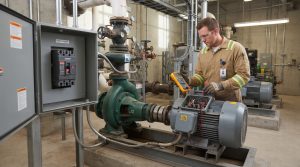
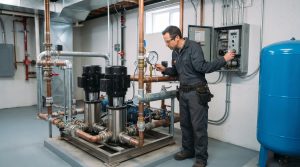
Next check the control panel. Many systems have indicator lights that show pump status. If the pump appears inactive, basic pump control troubleshooting may reveal loose wiring, tripped breakers, or control relay faults that prevent the pump from receiving power.
Another step is to manually lift the float switch. When lifted, the pump should activate immediately. If nothing happens, the float switch may be damaged or the control circuit may have failed. It is also important to check the discharge line. If the pump runs but the water level does not drop, a clog or obstruction may be preventing proper flow.
This condition often triggers the water level alarm even though the pump motor is functioning. If multiple warning signs appear together, such as persistent alarms combined with slow drainage or unusual pump noises, professional alarm service may be necessary to prevent further damage.
Why A Persistent Water Level Alarm Often Signals Larger Pump System Problems
A water level alarm is more than just a warning sound. It usually signals that the pump system is struggling to maintain balance between incoming and outgoing water.
In commercial and industrial buildings across New York, pumps often operate continuously throughout the day. Heavy water usage, storm water infiltration, and wastewater flow all contribute to system demand. When one component fails, the entire system feels the impact.
One scenario involves aging pumps that cannot handle peak demand. Even if the pump runs, its capacity may no longer be sufficient. This situation gradually leads to repeated high water alarm events.
Another possibility involves mechanical wear. Impellers inside the pump can become damaged or clogged with debris. When that happens the pump loses efficiency and water begins accumulating faster than it can be removed.
Electrical issues can also contribute to persistent alarms. Faulty sensors or damaged wiring may send incorrect signals to the alarm system. This leads to repeated alerts that require careful pump control troubleshooting to diagnose properly.
In wastewater systems the sewage ejector alarm often indicates solid waste buildup or partial pump blockage. These conditions reduce pump performance and eventually trigger the water level alarm again. Ignoring repeated alarms rarely solves the problem.
Over time unresolved alarm causes can lead to flooding, equipment failure, and expensive property damage.
Preventing Future High Water Alarm Emergencies Through Professional Alarm Service
Preventive maintenance plays a major role in keeping pump systems reliable. While alarms are designed to warn about potential flooding, routine inspections help prevent those warnings from occurring in the first place.
Professional alarm service includes detailed system testing. Technicians inspect floats, verify electrical connections, and confirm that alarm sensors respond correctly when water levels rise. This process helps detect float switch problems before they cause unexpected failures.
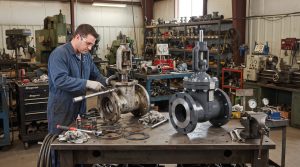
Maintenance also includes pump performance checks. Technicians examine the impeller, test motor efficiency, and ensure that discharge lines remain clear. These steps reduce the risk of recurring alarm causes that trigger system alerts.
Another important aspect of maintenance is control panel inspection. Experienced specialists perform complete pump control troubleshooting to verify that relays, sensors, and alarm circuits communicate properly with the pump.
In facilities that rely on sewage ejector systems, routine cleaning prevents waste buildup that could trigger a sewage ejector alarm. Regular service also ensures the water level alarm activates only when a genuine issue occurs. For commercial buildings, hospitals, industrial facilities, and residential complexes, scheduled maintenance can extend equipment life and significantly reduce emergency repairs.
Responding Quickly When Your High-Water Alarm Signals Trouble
A high water alarm is not something to ignore or silence without investigation. It is the pump system’s way of warning that water levels are rising beyond safe limits. Whether the issue stems from float switch problems, blocked discharge lines, or pump inefficiency, early attention can prevent serious damage.
Understanding common alarm causes allows facility managers to respond quickly and confidently. Simple pump alarm troubleshooting steps such as checking float movement, verifying pump operation, and inspecting control panels can often reveal the problem before it escalates.
However, repeated alarms or persistent water level alarm signals usually indicate deeper mechanical or electrical issues that require expert diagnosis. Professional technicians can perform advanced pump control troubleshooting, inspect sewage ejector systems, and deliver reliable alarm service that restores proper system operation.
With more than 80 years of experience serving New York, New Jersey, and Pennsylvania, trusted pump specialists understand the urgency behind every alarm call. Responding quickly to a high water alarm protects equipment, prevents flooding, and ensures that critical pump systems continue operating exactly when they are needed most.