When it comes to protecting your basement from flooding, choosing the right sump pump is not something to take lightly. Many homeowners in NYC and surrounding areas face the dilemma of deciding between cast iron vs submersible sump pumps.
Both options have their merits, but understanding how they perform over time, what maintenance they require, and their overall lifespan can make all the difference. Imagine heavy rains pouring down, water creeping into your basement, and your sump pump not working at a critical moment.
That’s the last thing anyone wants. In this guide, we will break down the differences between these sump pump types, explore which sump pump lasts longer, and provide practical insights on maintenance and service so you can make an informed decision.
Understanding The Main Differences Between Cast Iron Vs Submersible Sump Pumps
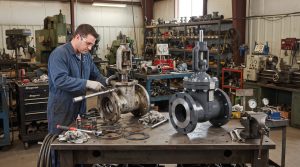
Before diving into longevity, it’s crucial to understand the structural and operational differences between these sump pump types. Cast iron sump pumps are known for their durability and heavy-duty construction. They are typically installed in dry pits and have a separate motor above the water level. This design prevents overheating and allows for easier maintenance.
On the other hand, submersible sump pumps are designed to operate fully submerged in water. They are compact, quieter, and ideal for spaces where aesthetics and noise reduction matter. However, because the motor is submerged, it is more prone to wear from sediment and debris, which can affect its longevity.
By understanding these differences, you can better anticipate potential issues and determine which sump pump lasts longer for your home.
Longevity Factors: How Cast Iron Vs Submersible Sump Pumps Last in Real Conditions
When comparing cast iron vs submersible sump, lifespan often comes down to build quality and environmental conditions. Cast iron sump pumps generally last between 15 to 25 years, thanks to their robust construction and ability to handle heavy water loads.
They are ideal for basements that experience frequent flooding or high-volume water inflow. Submersible sump pumps, however, typically last between 7 to 15 years. Their design is excellent for everyday water removal, but long-term exposure to water, sediment, and debris can shorten their lifespan if not properly maintained.
Other factors influencing longevity include electrical stability, the frequency of operation, and regular sump pump service. For homeowners seeking a long-term investment, cast iron sump pumps often prove to be the more durable choice.
Performance Comparison: Efficiency, Noise, And Installation
While durability is key, performance also plays a significant role in deciding between cast iron vs submersible sump pumps. Cast iron pumps are louder and require more space, but they excel at moving large volumes of water quickly. Their motor is less likely to overheat, which means they can handle heavy-duty tasks without failure.
Submersible pumps are compact and quiet, making them more suitable for finished basements or areas where noise is a concern. Installation is often easier because the pump sits directly in the water pit. However, their performance can be affected by debris buildup and improper placement.
By understanding these operational differences, you can align your choice with your home’s specific needs.
Maintenance Matters: Keeping Your Sump Pump in Top Shape
Regardless of whether you choose a cast iron or submersible pump, regular maintenance is crucial. A well-maintained pump can prevent emergencies and extend the life of your investment. Key maintenance practices include checking the float switch, cleaning debris from the pump inlet, and testing the pump at least twice a year.
Homeowners should also review their pump maintenance schedule and consider professional sump pump service for annual inspections. Proper maintenance ensures that your pump operates efficiently during basement flooding emergencies and reduces the likelihood of a sump pump not working when it matters most.
Battery Backup Options and Emergency Preparedness
Another critical factor when comparing cast iron vs submersible sump pumps is emergency preparedness. Both types can benefit from a sump pump battery backup, which ensures operation during power outages. Battery backups are particularly important in NYC homes prone to heavy rainfall and sudden storms.
A backup system can provide peace of mind and prevent water damage when the primary pump fails. Whether you choose cast iron or submersible, pairing your pump with a reliable battery system is a wise investment for long-term home protection.
Cost Considerations: Initial Investment Vs Long-Term Value
Cost is always a consideration when choosing a sump pump. Cast iron sump pumps are generally more expensive upfront due to their durable construction and higher water-moving capacity. However, their extended lifespan often makes them more cost-effective over the long term.
Submersible pumps have a lower initial cost and are easier to install, but their shorter lifespan may require replacement sooner. Homeowners should weigh the upfront savings against potential future costs, especially when considering the risk of water damage from a sump pump not working.
Troubleshooting Common Issues with Each Pump Type
Even the most durable pumps may encounter problems. Cast iron sump pumps can face motor or impeller issues if debris accumulates in the intake, while submersible pumps are more vulnerable to motor burnout or corrosion. Regular sump pump service and proactive troubleshooting are essential.
Common signs of a failing pump include unusual noises, reduced water output, or the pump not activating during tests. Knowing these warning signs allows you to act before a small issue becomes a basement flooding emergency.
Which sump pump type should you choose?
Choosing between cast iron vs submersible sump depends on your home’s specific needs. If you prioritize durability and long-term reliability, a cast iron sump pump is often the better choice. It excels in heavy-duty environments and can last decades with proper care.
If you value quiet operation, ease of installation, and compact design, a submersible sump pump may be more suitable. However, be prepared for more frequent maintenance and potential replacement over time. Understanding which sump pump lasts longest and fits your lifestyle will help you make a confident decision.
Professional Sump Pump Service: Key to Longevity
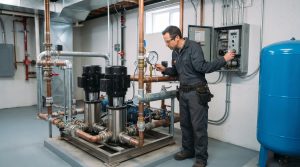
Regardless of your choice, professional sump pump service is essential for extending the life of your system. Technicians can inspect wiring, check the float switch, clean debris, and ensure your pump is ready for heavy rainfall.
Regular service also provides insight into how long pumps last, helps maintain warranty coverage, and prevents sump pump failure during critical moments. Pairing professional service with a pump maintenance schedule is the best strategy to protect your home.
Making The Right Choice for Your Basement Protection
Choosing between cast iron vs submersible sump pumps is more than a decision about design, it’s about protecting your home from potential disaster. Cast iron pumps offer durability and long-term reliability, making them ideal for homeowners who want a pump that can handle heavy water loads for decades.
Submersible pumps offer compact, quiet operation and can be perfect for finished basements or low-maintenance needs. Whatever you choose, proactive maintenance, professional sump pump service, and emergency preparedness with a sump pump battery backup will ensure your system works when you need it most.
By understanding sump pump types, longevity, and operational nuances, you can confidently select the pump that safeguards your home from flooding, keeps your basement dry, and gives you peace of mind during every storm.