Heavy rainstorms can turn a quiet evening into a stressful situation for property owners. The sound of relentless rain often brings one major concern to mind. Is the sump pump doing its job? For many homes and commercial buildings, the sump pump is the first line of defense against rising groundwater and sudden water intrusion.
When everything works properly, the system quietly moves water away from the building and keeps the basement dry. But when a sump pump not working situation occurs during intense rainfall, the results can be immediate and alarming. Water can begin collecting in the sump pit, threatening floors, equipment, and the entire structure.
What starts as a simple sump pump failure can quickly turn into a serious basement flooding emergency if it is not addressed quickly.
Understanding the warning signs and knowing how to respond can make a major difference. This emergency guide explains how to perform quick sump pump troubleshooting, what steps to take during heavy rain, and when professional sump pump repair becomes necessary.
Why A Sump Pump Not Working During Heavy Rain Can Quickly Lead To A Basement Flooding Emergency
During heavy rainfall, groundwater levels around a building can rise dramatically. The sump pump is designed to handle this pressure by automatically removing excess water from the sump basin and directing it away from the structure.
When a sump pump not working problem occurs, water begins accumulating inside the sump pit with nowhere to go. Within a short period of time, the basin can overflow and create a serious basement flooding emergency.
Several issues can trigger sudden sump pump failure. Power outages are a common cause during severe storms. Electrical interruptions can prevent the pump from activating when the water level rises. Mechanical problems may also develop over time. Worn components, debris inside the pump, or a stuck float switch can prevent the pump from starting properly.
Understanding these risks is the first step toward effective sump pump troubleshooting. Quick action during heavy rain can prevent minor issues from turning into expensive structural damage.
Essential Sump Pump Troubleshooting Steps When Your Pump Stops Working During A Storm
Facing a sump pump not working situation during a storm can be stressful, but a few quick checks can help identify the cause. Start by verifying the power supply. If the pump is unplugged or the circuit breaker has tripped, the system will not activate. Restoring power may immediately resolve the issue.
Next, inspect the float switch inside the sump basin. The float controls when the pump activates. If debris or buildup blocks the float, the pump may fail to start even when the water level rises. Another common problem involves a clogged discharge pipe. When water cannot flow out of the system properly, the pump may struggle or stop completely.
Clearing the pipe can restore normal operation. These steps often help identify the reason behind a sump pump failure. However, if the pump still refuses to start or operates inconsistently, professional sump pump repair is usually required. Quick sump pump troubleshooting can reduce the risk of a serious basement flooding emergency during heavy rain.
Understanding The Difference Between Sewage Ejector Vs Sump Systems In Flood Prevention
Many property owners confuse sump pumps with sewage ejector systems. Understanding the difference between sewage ejector vs sump systems is important when diagnosing drainage problems. A sump pump removes groundwater that collects around the foundation of a building. Its primary job is to prevent flooding caused by rainwater or rising groundwater levels.
A sewage ejector pump performs a different function. It moves wastewater from lower-level plumbing fixtures to the main sewer line. Confusing these systems can lead to incorrect troubleshooting efforts during a sump pump not working situation. If the sump pump fails during heavy rain, it directly increases the risk of a basement flooding emergency.
Knowing the difference between sewage ejector vs sump systems helps property owners understand which equipment is responsible for protecting their basement from storm related water intrusion. Proper maintenance of both systems helps prevent unexpected sump pump failure when heavy rainfall occurs.
How Basement Flooding Response Strategies Protect Property During Heavy Rain
When water begins rising in the sump basin, immediate basement flooding response actions can help protect the building. If the sump pump not working issue cannot be resolved quickly, removing excess water manually may help prevent overflow.
Temporary pumps or wet vacuums can assist in controlling water levels until repairs are completed. Another important step involves moving valuables and electrical equipment away from the affected area. Protecting appliances, documents, and furniture reduces potential damage during a basement flooding emergency.
Monitoring the sump basin closely during heavy rainfall also allows property owners to detect worsening conditions early. Quick action during a basement flooding response can limit the impact of water intrusion. While these temporary steps can help in an emergency, professional sump pump repair should be scheduled as soon as possible to restore the system’s full protection.
Choosing The Right Equipment Including Cast Iron Vs Submersible Sump Pumps
The reliability of a sump pump often depends on the quality and design of the equipment installed. Understanding the difference between cast iron vs submersible sump pumps can help property owners make better decisions when replacing or upgrading their system.
Cast iron pumps are known for their durability and heat resistance. They are commonly used in heavy duty applications where consistent performance is required. Submersible pumps operate underwater inside the sump basin. These pumps are quieter and often more efficient in residential environments.
Choosing between cast iron vs submersible sump pumps depends on the building’s drainage requirements and the expected water volume during storms. Upgrading to a high-quality system can significantly reduce the risk of future sump pump failure. Reliable equipment also supports long term protection against a basement flooding emergency.
Professional technicians can recommend the best pump type during a scheduled sump pump repair or system replacement.
Why Professional Sump Pump Repair Is Essential After A System Failure
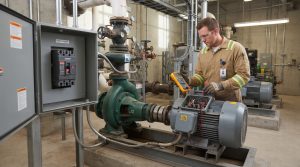
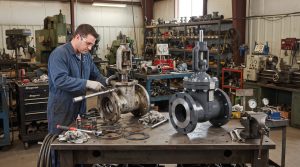
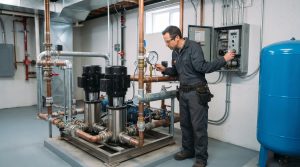
After a sump pump not working event occurs, professional inspection is essential. Even if the pump begins operating again, hidden damage may still exist inside the system. Technicians performing sump pump repair inspect electrical components, float switches, impellers, and discharge lines.
These inspections help identify the exact cause of the earlier sump pump failure. Professional servicing also ensures the system can handle future storms. Technicians often recommend upgrades such as backup battery systems that keep the pump running during power outages.
Routine maintenance reduces the likelihood of another basement flooding emergency during severe weather. Experienced technicians understand how different pump models perform under heavy rainfall conditions and can recommend improvements that increase reliability.
Investing in expert sump pump repair after a failure protects both the building and the valuable property inside it.
Protecting Your Property When A Sump Pump Not Working Situation Happens During Heavy Rain
Storms can place tremendous pressure on basement drainage systems. When a sump pump not working problem appears during heavy rainfall, quick action becomes essential. Understanding basic sump pump troubleshooting steps allows property owners to identify simple issues such as power loss, float switch blockages, or clogged discharge lines.
Addressing these problems quickly may prevent a serious sump pump failure. Recognizing the difference between sewage ejector vs sump systems also helps ensure the correct equipment is inspected during emergencies. Taking immediate basement flooding response measures can protect belongings while the situation is being resolved.
Long term solutions such as upgrading equipment and scheduling professional sump pump repair provide stronger protection against future storms. With proper maintenance and reliable equipment, property owners can greatly reduce the chances of facing another basement flooding emergency during heavy rain.