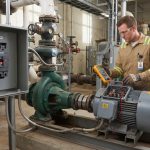
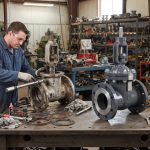
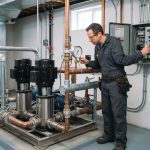
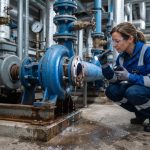
A comfortable building depends on a heating system that runs smoothly behind the scenes. When everything works properly, warm water circulates through pipes and radiators, keeping rooms comfortable even during the coldest months.
But when a heating circulator pump not working situation suddenly appears, the change is impossible to ignore. Rooms begin to cool down, heating zones stop responding, and building occupants quickly notice the difference.
The circulator pump plays a vital role in moving hot water from the boiler throughout the heating system. If the pump stops operating or begins to struggle, the entire system can lose efficiency. That is why understanding basic circulator pump troubleshooting steps can make a huge difference when a no heat pump problem occurs.
In this guide, we will walk through the common causes of a failed circulator pump, how to identify warning signs, and when it is time to call professionals for reliable heating pump repair.
Why A Heating Circulator Pump Not Working Can Quickly Turn into a Major Heating System Problem
When a heating circulator pump not working issue develops, it affects more than just the pump itself. The entire heating system relies on proper water movement to distribute heat through pipes, radiators, and baseboards.
Without circulation, the boiler may continue heating water but the warmth never reaches the areas that need it. This creates an uncomfortable no heat pump problem where some rooms remain cold even though the boiler appears to be running.
One of the earliest warning signs often appears when the pump motor won’t start. This can occur because of electrical issues, motor wear, or internal mechanical damage. When the motor fails to activate, water cannot move through the heating system.
Another sign homeowners and building managers notice is a pump making noise. Grinding, humming, or rattling sounds often signal internal wear or trapped air inside the system. These noises should never be ignored because they frequently indicate problems that will worsen over time. Understanding these early symptoms is the first step in successful circulator pump troubleshooting.
Circulator Pump Troubleshooting Steps Every Building Owner Should Understand
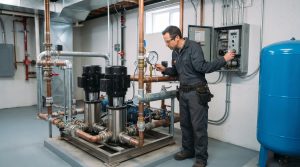
When facing a heating circulator pump not working situation, the first step is identifying whether the issue is electrical, mechanical, or related to system pressure. A good starting point is checking the thermostat and boiler controls. If the thermostat is calling for heat but the pump remains inactive, there may be an electrical issue preventing the system from starting.
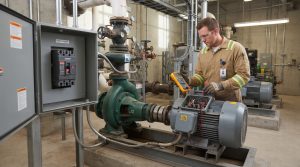
Technicians often inspect the circuit breaker and wiring connections next. In many cases, the reason a pump motor won’t start is simply a tripped breaker or loose electrical connection. Air trapped inside the heating system can also cause circulation issues. Air pockets restrict water movement and reduce system efficiency.
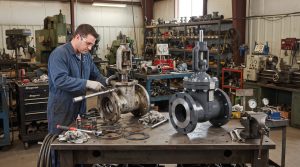
Bleeding the heating lines can sometimes restore normal flow and resolve the no heat pump problem. Another common troubleshooting step involves inspecting the pump housing and internal components. Sediment buildup or debris can restrict movement within the pump.
When this occurs, professional heating pump repair may be required to restore proper function. Performing these checks early helps prevent minor issues from developing into major system failures.
Common Warning Signs Like Pump Making Noise That Indicate Circulator Pump Problems
A failing circulator pump rarely stops without warning. Most systems show several signs that something is not operating correctly. One of the most noticeable warning signals is a pump making noise. A loud humming sound may indicate a motor that is struggling to start.
Grinding noises often suggest worn bearings or internal damage within the pump assembly. These sounds typically appear before a complete heating circulator pump not working failure occurs. Addressing the problem early can often prevent expensive repairs later.
Another sign of trouble appears when heating zones stop responding properly. Some areas may become excessively hot while others remain cold. This imbalance is a strong indicator of a no heat pump problem related to circulation issues.
Leaks around the pump housing can also signal trouble. Over time, seals and gaskets wear out, allowing water to escape. If not addressed quickly, leaks can damage surrounding components and lead to further mechanical problems.
Recognizing these warning signs early makes circulator pump troubleshooting far more effective.
The Importance of a Pump Maintenance Schedule for Reliable Heating Performance
One of the best ways to avoid a heating circulator pump not working situation is through consistent preventive maintenance. Many system failures occur simply because equipment has not been inspected or serviced regularly.
A structured pump maintenance schedule allows technicians to examine the pump, test electrical components, and check water pressure levels within the system.
During routine maintenance visits, professionals inspect motor performance, lubrication levels, and internal pump components. These inspections often reveal early signs of wear that could eventually lead to a no heat pump problem.
Maintenance also helps prevent buildup inside the pump housing. Over time, mineral deposits and sediment can restrict movement and reduce efficiency. Cleaning and flushing the system keeps water flowing freely. Following a consistent pump maintenance schedule extends the life of the circulator pump and significantly reduces the risk of unexpected breakdowns.
When Professional Heating Pump Service Becomes Necessary for Circulator Pump Repair
Although basic circulator pump troubleshooting can help identify minor issues, some problems require professional attention. When the pump continues to malfunction or refuses to start, expert heating pump service becomes essential.
Professional technicians use specialized tools to diagnose mechanical and electrical faults within the pump. They inspect motor windings, bearings, impellers, and control systems to determine the exact cause of failure.
If the pump motor won’t start even after electrical checks, the motor itself may need repair or replacement. Similarly, persistent noise problems often indicate internal damage that requires professional heating pump repair.
Experienced technicians can also evaluate the overall heating system to ensure the pump is correctly sized and operating under proper pressure conditions. Scheduling regular heating pump service ensures the entire heating system continues operating safely and efficiently throughout the year.
How Early Circulator Pump Troubleshooting Prevents Expensive Heating System Failures
Addressing small problems early is the most effective way to prevent serious heating system failures. A heating circulator pump not working issue rarely appears without warning signs. Routine inspections and early circulator pump troubleshooting allow building owners to catch issues before they disrupt the heating system. For example, addressing a noisy pump early can prevent internal damage that might otherwise require full pump replacement.
Likewise, repairing electrical connections can resolve situations where the pump motor won’t start before the system completely fails. Maintaining a consistent pump maintenance schedule also improves overall heating efficiency. Pumps that receive proper care operate more smoothly, circulate water effectively, and consume less energy.
These preventive steps protect both the equipment and the comfort of building occupants.
Solving Heating Circulator Pump Not Working Issues Before They Disrupt Your Comfort
Heating systems work quietly in the background until something goes wrong. When a heating circulator pump not working problem appears, it can quickly affect the comfort of an entire building.
Understanding the basics of circulator pump troubleshooting helps identify early warning signs such as a pump making noise, uneven heating, or a pump motor won’t start situation. Recognizing these symptoms early allows building owners to take action before the system completely fails.
Regular inspections and a consistent pump maintenance schedule are essential for keeping heating systems operating reliably. Preventive care reduces the chances of a serious no heat pump problem and helps extend the life of critical components.
When issues become more complex, professional heating pump service ensures the system receives proper diagnosis and expert heating pump repair. By staying proactive and addressing problems early, building owners can keep their heating systems running smoothly and maintain the comfort that occupants depend on every day.