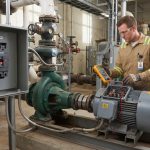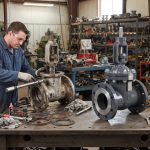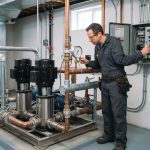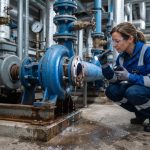
In large buildings and industrial facilities, pumps play a silent but essential role every single day. They move water, maintain pressure, and support systems that people rely on without even noticing. The challenge begins when a single pump fails. Suddenly the entire operation can slow down or stop. That is exactly why many building owners and facility managers turn to a duplex pump system.
A duplex pump system is designed to add reliability where a single pump might fall short. Instead of relying on one unit, this setup uses two pumps that work together to handle demand and provide backup protection. When one pump stops working or requires maintenance, the second pump can take over without interrupting operations.
Understanding how this system works is important for anyone managing commercial or industrial equipment. From pressure boosting systems to wastewater management, a properly designed duplex pump configuration helps ensure consistent performance while providing critical pump redundancy when it matters most.
Understanding The Power of a Duplex Pump Configuration and Why Buildings Depend on It
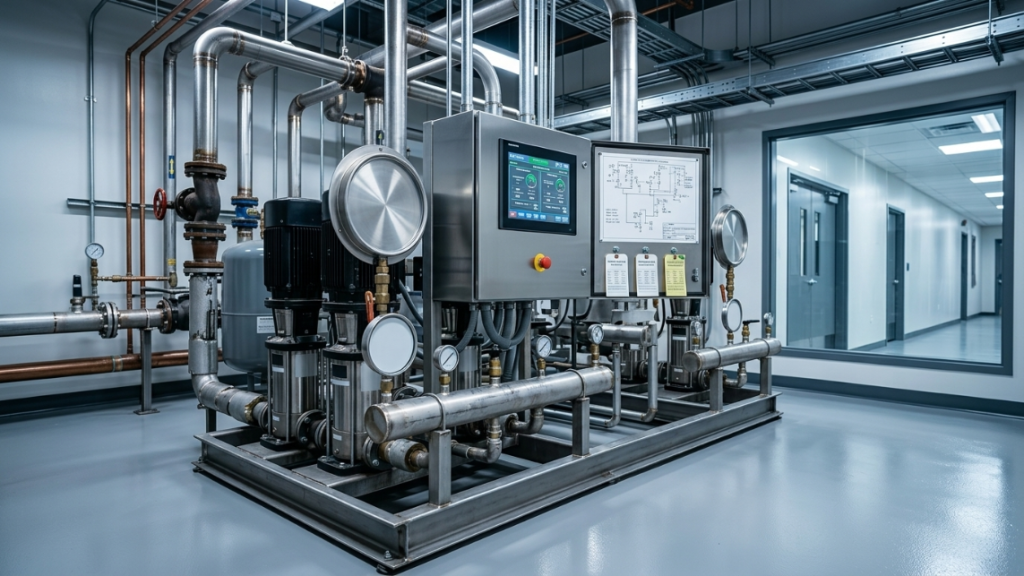
At its core, a duplex pump system uses two pumps connected to the same system. Both pumps share the workload while a control panel manages how they operate. This design creates an intelligent pumping system that balances performance and reliability.
- The primary purpose of a duplex pump configuration is to deliver pump redundancy — a built-in backup that automatically activates the second pump the moment the first stops functioning, keeping the system running without interruption.
- Critical facilities such as hospitals, apartment complexes, industrial plants, and commercial towers depend on duplex pump systems to maintain uninterrupted service where downtime is simply not an option.
- Workload distribution is another key benefit — the system rotates between both pumps instead of overworking one, which reduces wear and tear and extends the overall lifespan of the equipment.
Because of these benefits, facility managers across New York often upgrade from single pump setups to a duplex pump configuration once system demand increases. The result is a system that not only performs efficiently but also provides the safety net that critical infrastructure requires.
The Practical Reality of Simplex Vs Duplex Comparison When Choosing a Duplex Pump System for Modern Pump Operations
Many property owners begin their journey with a single pump system before considering more advanced configurations. This leads to the common discussion known as the simplex vs duplex comparison. In a simplex system, one pump handles the entire workload. This design works well in smaller buildings or applications where demand is low and occasional downtime is manageable.
However, the simplex vs duplex comparison becomes more important as buildings grow or system demand increases. A simplex system has no backup pump. If the pump fails, the system stops operating until repairs are completed. A duplex pump system eliminates that vulnerability by introducing a second pump into the setup. The second pump serves as both a backup and an additional source of capacity when needed.
- Mechanical systems rarely fail at convenient times, so built-in pump redundancy gives building owners peace of mind and prevents costly disruptions.
- A duplex pump system adds a second pump that acts as both a backup and an additional source of capacity, eliminating the single point of failure that makes simplex systems vulnerable.
For many commercial properties, the simplex vs duplex comparison ultimately leads to upgrading to a duplex pump configuration because the reliability benefits far outweigh the additional installation cost.
Understanding How Alternation Control Works Through Lead Lag Control Systems
One of the smartest features of a duplex pump system is its intelligent control mechanism — known as lead lag control — which determines how the two pumps share their workload.
- To understand how alternation control works, imagine two pumps sharing the same job. Instead of one pump doing all the work while the other sits idle, the control system alternates which pump runs first. During one cycle, Pump A becomes the lead pump while Pump B remains on standby. The next time the system activates, the roles switch and Pump B takes the lead — ensuring balanced wear across both units over time.
- When water demand spikes suddenly, the control system can activate both pumps simultaneously, allowing the duplex pump configuration to deliver greater pumping capacity while still maintaining pump redundancy.
For building engineers and facility managers, lead lag control provides a smart, efficient way to manage pumping operations automatically — balancing wear across both units and improving long-term equipment longevity without requiring hands-on intervention.
When Buildings Choose Triplex Pump Systems Instead of Duplex
Although a duplex pump system provides excellent reliability, some facilities require even greater capacity and protection. In these cases, engineers may recommend triplex pump systems. These systems include three pumps instead of two. Like duplex systems, they use intelligent control panels to rotate pump operation and distribute workload evenly.
- Unlike duplex setups, triplex pump systems add yet another layer of pump redundancy — so even if one pump fails, two remain available to meet demand. This makes them ideal for large commercial buildings, hospitals, manufacturing plants, and high-rise residential towers.
However, the majority of mid-sized commercial properties find that a duplex pump system offers the right balance between reliability, cost, and performance. While triplex pump systems provide exceptional protection, many buildings achieve dependable results with a well-designed duplex pump configuration supported by proper maintenance and monitoring.
Maintaining Long Term Performance with Professional Duplex Water Booster Service
Even the most reliable pump systems require regular maintenance to perform at their best. This is where professional duplex water booster service becomes essential. Routine service ensures that both pumps within the duplex pump system remain in optimal working condition.
- Technicians inspect motors, electrical controls, sensors, and valves — and also test lead lag control operations to confirm both pumps alternate correctly. If the alternation sequence fails, one pump may run continuously while the other sits idle, leading to uneven wear.
- Professional duplex water booster service also catches problems early — worn seals, electrical faults, and minor issues can be resolved before they cause full pump failure, resulting in fewer emergency breakdowns and longer equipment lifespans.
For commercial properties across New York, preventive maintenance remains the best way to protect the investment in a duplex pump configuration and ensure reliable performance year after year.
Why A Duplex Pump System Is the Smart Choice for Reliable Building Operations
Pumps may not be the most visible part of a building’s infrastructure, but their reliability has a direct impact on daily operations. Water supply, drainage, and pressure management all depend on systems that function consistently behind the scenes.
A duplex pump system offers one of the most effective solutions for maintaining that reliability. By combining two pumps within a smart duplex pump configuration, buildings gain valuable pump redundancy that protects operations from unexpected failures.
Features like lead lag control ensure balanced performance while intelligent controls manage workload distribution automatically. When compared through the simplex vs duplex comparison, duplex systems often deliver the reliability that growing buildings require.
Some facilities may eventually adopt triplex pump systems for even greater capacity, but many commercial properties find that duplex systems provide the ideal balance of performance and protection. With regular duplex water booster service, these systems can operate smoothly for many years. In the end, a well maintained duplex pump system does more than move water. It supports the infrastructure that keeps buildings running safely and efficiently every day.